



Your shopping cart is currently empty.

Sign in and join Kleen Rite rewards to earn points and redeem rewards
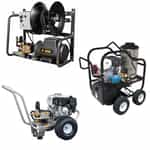
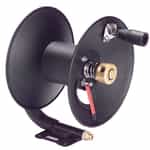
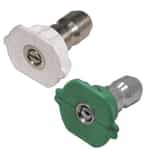
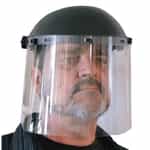
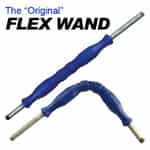
Running a pressure washing business requires an investment in reliable, high-performance equipment that is designed for commercial use. At the core of your setup, you'll need a robust commercial-grade pressure washer, which provides the power and efficiency necessary to handle a diverse range of cleaning tasks, from building exteriors to heavy machinery. You should also consider pressure washer accessories such as various spray nozzles, extension wands, and high-pressure hoses, which allow you to tackle different surfaces and reach difficult areas. Furthermore, specialized surface cleaners can help streamline large flat surface jobs, while chemical injectors and compatible detergents will enhance your ability to remove stubborn dirt, oil, and stains. Safety gear, including gloves, protective eye wear, and suitable footwear is crucial to protect yourself and your team on every project. In addition, purchasing hose reels, durable pumps, and replacement parts ensures your operation runs smoothly and minimizes downtime. Therefore, equipping your business with these essential items and keeping an inventory of replacement parts sets you up for efficiency and long-term success in the commercial cleaning industry. Make us your one-stop shop for professional pressure washing supplies!
If you're starting completely from scratch, this is the most basic - but also most important - thing to understand. A pressure washer is a specialized cleaning machine that uses a motor-driven pump to force water through a high-pressure hose and spray nozzle, producing a powerful, focused stream of water. This stream effectively blasts away dirt, grime, mold, loose paint, and other contaminants from a wide variety of surfaces. Pressure washers are relied on in both commercial and industrial settings for cleaning equipment, vehicles, sidewalks, exterior walls, and even heavy-duty machinery. The system can be powered by electric motors or gas engines and may use cold or hot water depending on the demands of the job. Because they deliver water at pressures far greater than a standard garden hose, pressure washers dramatically increase the speed and thoroughness of cleaning. Using the right nozzle or accessory, operators can adjust both the power and spray pattern to match the needs of different materials and contaminants. This flexibility makes pressure washers a critical part of professional cleaning operations—helping crews work faster, reduce manual effort, and maintain a high standard of cleanliness for clients or facility users.
When comparing gas pressure washers to electric pressure washers for commercial applications, several important differences emerge that can influence your purchasing decision. Gas pressure washers typically offer higher pressure and greater flow rates, making them well-suited for heavy-duty cleaning tasks such as removing tough stains, stripping paint, or cleaning large outdoor surfaces. These units are also more portable during field work since they do not require an electrical outlet, which is particularly advantageous for jobs at construction sites or remote locations. However, gas-powered machines tend to be louder, emit exhaust fumes, and require more maintenance than their electric counterparts. On the other hand, electric pressure washers are quieter, more environmentally friendly, and easier to maintain, making them ideal for indoor use or areas where noise and emissions are a concern. They start instantly with just the push of a button, and their lighter weight enhances maneuverability in tight spaces. Consequently, electric models are often chosen for light to moderate cleaning jobs, especially when access to power outlets is readily available. Ultimately, the choice between gas and electric pressure washers depends on the specific cleaning challenges your business faces, the environments in which you work, and your preferences for maintenance and mobility.
Our Most Popular Industrial Gas Pressure Washers Include:
Our Most Popular Industrial Electric Pressure Washers Include:
When deciding between cold water and hot water pressure washers, it's crucial to understand how each type meets specific cleaning demands in a commercial environment. Cold water pressure washers are generally more affordable, lighter, and easier to maintain, making them excellent choices for removing dirt, mud, and general debris from surfaces like sidewalks, fences, and vehicles. These machines rely on high-pressure water alone, which is effective for most routine cleaning tasks where grease and oil are not a primary concern. However, for businesses that need to clean oily residues, stubborn stains, or surfaces contaminated with grease, hot water pressure washers are the superior option. Hot water units use both pressurized water and heat, which helps break down tough contaminants more efficiently and reduces the need for chemical cleaners. Moreover, they can sanitize surfaces, an essential consideration in food service and healthcare settings. Consequently, choosing the right pressure washer comes down to evaluating the types of jobs you anticipate handling most often. Investing in the appropriate system ensures optimal results, operational efficiency, and long-term savings for your commercial cleaning business.
When looking through the many products we have listed, it's important to understand the pressure washing nomenclature you're going to come across. Here's a quick guide of popular terms.
One of the great things about professional pressure washing is that you can start with a fairly simple unit and a few accessories. That being said, it's still smart to get professional equipment and supplies rather than light duty products designed for occasional home use. A simple but professional pressure washer will run you about $800-1500, and it's common for them to include the important components to get started. For example, the BE Pressure B3165HSGS linked above is powerful enough for professional use and will be plenty sufficient for most of your normal jobs. It comes with a high-pressure hose, spray gun, wand, and a 4-nozzle set, so you'll only have to add a garden hose to connect to the water source.
Recognizing when to replace your pressure washer pump is essential for maintaining reliable and efficient performance in your business operations. Over time, even the most durable pumps can develop issues such as decreased water pressure, unsteady flow, excessive noise, or noticeable leaks, all of which indicate internal component wear or failure. If you notice your machine consistently delivers suboptimal cleaning results despite routine maintenance, it may be a sign the pump’s seals, valves, or pistons have deteriorated beyond repair. Furthermore, visible corrosion, significant vibration, or difficulty in starting the unit can all point to critical pump failures that are best addressed by replacement rather than continual costly servicing. Thus, monitoring your equipment for these symptoms, conducting periodic inspections, and keeping spare commercial pressure washer pumps on hand will help prevent unexpected downtime and ensure uninterrupted service for your clients. Investing in a quality replacement promptly not only revives the cleaning capacity of your pressure washer but also extends the machine’s overall lifespan, supporting the long-term success of your commercial cleaning business.
There are three styles of pumps that are the most commonly used in the pressure washing industry. You can read more about details about them in this blog post.
According to Angi, a home improvement network and information company, the cost to pressure wash a house is about $.10 to $.50 per square foot. So, for a 2000 sq ft house, roughly the average American home size, customers should expect to pay about $200 to $1000. The range is fairly wide because things like location and local competition play a significant role in pricing.
A pressure washer with 2000 PSI can clean most concrete surfaces effectively, especially for lighter dirt, dust, or mildew buildup commonly found on patios, walkways, or driveways. This pressure level will remove surface grime and brighten the material without risking damage to most standard concrete slabs. However, for tough stains, such as motor oil, grease, or deeply set mold, a higher PSI—typically in the range of 3000 to 3500 PSI—may be more efficient, ensuring deeper penetration and faster results. While 2000 PSI is safe for most residential applications and suitable for regular maintenance, commercial users managing larger or more heavily soiled areas should consider machines with greater power and specialized accessories. Additionally, the effectiveness of 2000 PSI will also depend on the right combination of water flow (GPM), nozzle selection, and cleaning detergent, allowing users to adapt their approach to the specific demands of each job. Therefore, while 2000 PSI is generally enough for routine concrete cleaning, evaluating the level of soiling and the expectations for the finished surface will help determine the optimal pressure washer for your needs.
A pressure washer with 3000 PSI can be too much for certain house surfaces, especially if you are cleaning siding made from softer materials such as wood, vinyl, or aged stucco. While higher pressure is effective at removing stubborn mold, dirt, or debris, excessive force may strip paint, dent aluminum, or even damage delicate building materials, leading to costly repairs. It is important to balance cleaning power with surface safety, so always test a small, inconspicuous area first. For most residential applications—like siding, decks, or painted surfaces—a pressure range of 1200 to 2500 PSI is typically safer and still highly effective. However, 3000 PSI may be appropriate for harder surfaces, such as concrete or brick, provided you use the correct nozzle and maintain a reasonable distance from the surface. Adjusting the spray pattern and pressure settings, along with employing a lower-angle nozzle, helps you control the intensity and avoid unintentional harm. Therefore, understanding the limitations of each surface and your equipment will ensure a safe, efficient, and thorough cleaning process while safeguarding your property’s exterior.
While power washing and pressure washing are often used interchangeably, and both use high-pressure spray to blast off dirt, grime, mold, and loose paint. However, there is an important distinction that sets the two apart. Power washing uses heated water to attack especially difficult soils. Hot water is better at breaking down and loosening these tough materials, working in conjunction with the high-pressure blast to effectively remove them. Pressure washing, on the other hand, uses cold/average temperature water, so you're relying entirely on the high-pressure spray for cleaning. While power washing is usually the superior cleaning technique, it does cost more and may not be necessary for a majority of applications.
In many regions, operating a professional pressure washing business requires more than just technical skill and the right equipment; it may also be necessary to obtain certain licenses or permits. The requirements vary by state, county, and municipality, so it is important to research and comply with local regulations before offering professional services. Often, business owners must register their company and secure a general business license, while some areas also mandate specific environmental permits to address water runoff or the use of cleaning chemicals. Furthermore, if your work involves large commercial contracts or government properties, additional documentation or certifications may be needed to comply with insurance and safety standards.
Starting a pressure washing business begins with identifying your target market, such as commercial properties, residential clients, or specialty services like fleet washing or graffiti removal. Next, invest in essential equipment, including a commercial-grade pressure washer, various spray nozzles, high-pressure hoses, and safety gear—these tools will form the backbone of your operations and should be selected for durability and efficiency to minimize downtime. Secure any necessary licenses and insurance to operate legally and protect your business from liability; local or state regulations may require specific permits and environmental compliance measures. Develop a pricing strategy by researching competitors, considering factors like area size, soil type, and the complexity of each job, and determine whether to price per square foot, by the hour, or by project type. Successful businesses also establish relationships with reliable suppliers for replacement parts, chemicals, and accessories, ensuring you can quickly service equipment and fulfill customer demands. Lastly, marketing your services through digital platforms, local advertising, and word-of-mouth will build brand awareness and help attract a steady stream of clients, setting the groundwork for long-term growth and profitability.
Commercial pressure washing and residential pressure washing differ significantly in terms of scale, equipment requirements, and the types of surfaces treated. Commercial pressure washing typically involves cleaning larger areas such as warehouses, parking lots, building exteriors, and industrial equipment, which necessitates using high-powered, industrial-grade machines capable of delivering greater water pressure and higher flow rates. In contrast, residential pressure washing focuses on smaller tasks like cleaning driveways, patios, house siding, or decks, often with less powerful equipment that prioritizes maneuverability and ease of use. Furthermore, commercial projects may require more specialized accessories, such as surface cleaners for extensive flat areas or hot water systems for grease and oil removal, while residential jobs tend to rely on standard nozzles and detergents. Moreover, commercial pressure washing businesses must adhere to stricter safety and environmental regulations, especially when disposing of wastewater or chemical runoff, whereas residential cleaning may face less regulatory oversight.
Obtaining commercial contracts is an excellent way to increase your revenue and make it more consistent, but it will require significant work on your part. First and foremost, you have to establish your business as a professional, reliable, and trustworthy enterprise. You'll probably have to start with small, individual jobs to create a portfolio of before-and-after pictures that demonstrate your skill and expertise. Additionally, you should bolster your reputation and reach by committing to building your online presence and using consistent branding on vehicles, uniforms, and signs. Once you've gained momentum, consider these tips when seeking larger contracts:
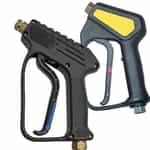
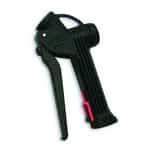
The average cost of a professional spray gun is about $25 to $50. While you may find cheaper options, the chances that they'll stand up to constant demanding use is low. You don't want to have guns breaking in the middle of a job, and your overall costs will add up if you're constantly replacing guns.
If you have a high-volume business that demands maximum performance or are someone who likes to make a significant investment for something that lasts longer, you may want to consider guns closer to a $100 price point. These are made with incredibly durable materials, have higher PSI and GPM ratings, and are designed for more comfortable use during extended periods of cleaning.
Yes, pressure washing can absolutely be a profitable business with some hard work. Compared to other businesses, it has relatively low startup costs, and there is high demand for cleaning services. Profitability depends on factors like initial equipment investment, marketing, and managing expenses such as fuel, chemicals, and maintenance. With effective management, a strong client base, and a good pricing strategy, a pressure washing business can be a lucrative side hustle or a full-time venture.
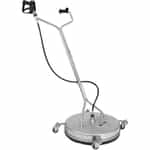
The potential earnings from pressure washing driveways can be significant, especially with a steady flow of clients and efficient project management. On average, driveway cleaning rates typically range from $100 to $300 per job, depending on the size, condition, and location of the property. Professional operators often service multiple driveways in a single day, allowing for higher daily or weekly revenues. Factors such as local market competition, your pricing strategy, and the ability to offer additional services—like sealing or stain removal—can further impact profit margins. With the right commercial-grade pressure washing equipment and effective scheduling, it is possible to generate a substantial side income or even a profitable full-time business focused on driveway cleaning. Building a reputation for quality and reliability will help secure repeat customers and referrals, supporting ongoing business growth in your local area. Consider a surface cleaner for these applications.

Your shopping cart is currently empty.
Sign in and join Kleen Rite rewards to earn points and redeem rewards

